
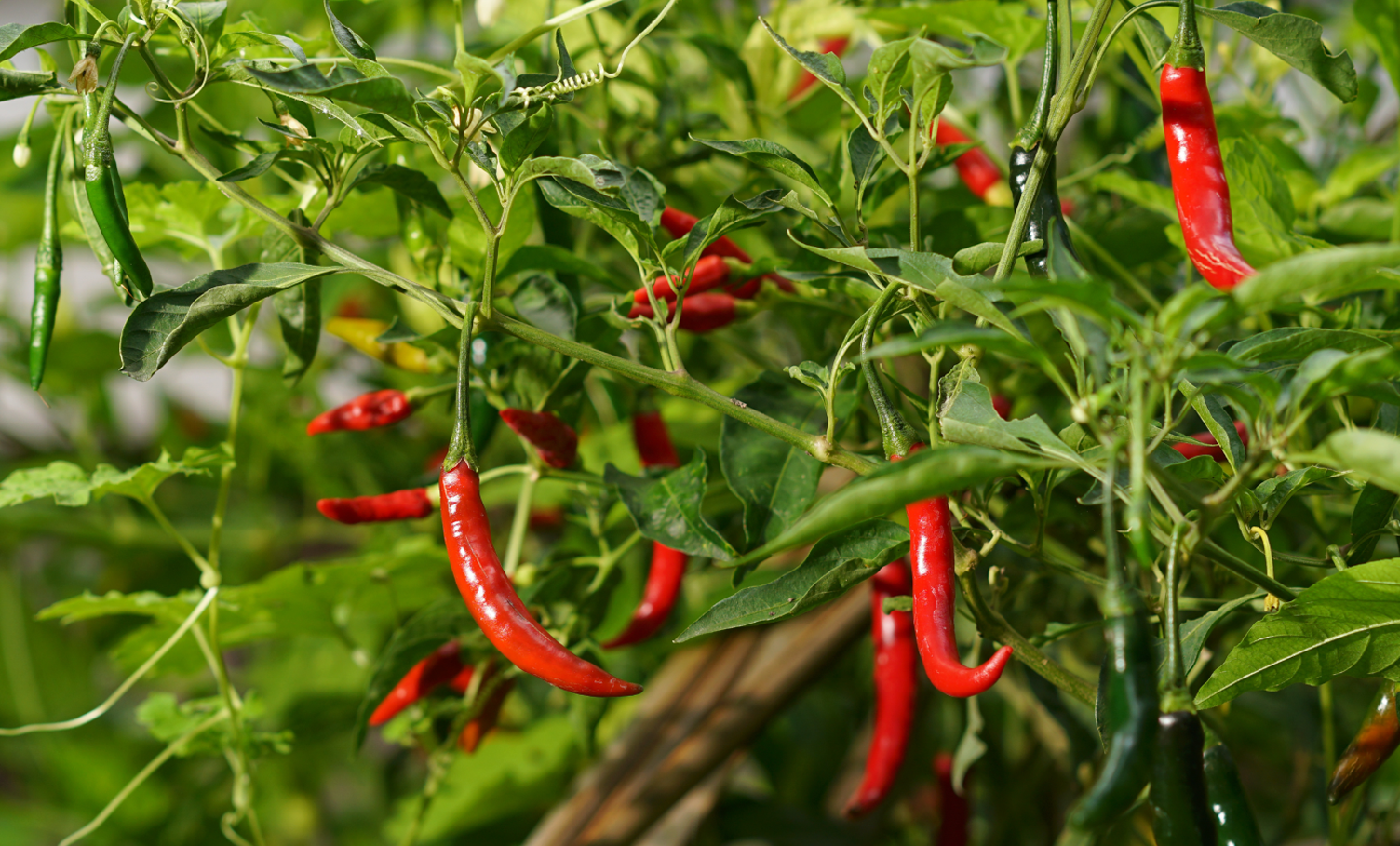
Sustainable sourcing in the spice trade is an increasingly critical issue as consumers and producers alike become more aware of the environmental and social impacts of agricultural practices. The spice trade, which has a rich history dating back thousands of years, now faces modern challenges that require innovative and ethical approaches to ensure its longevity and the well-being of those involved in its production.
Sustainable sourcing involves a range of practices aimed at minimizing environmental impact, promoting fair labor conditions, and supporting local economies. One of the primary environmental concerns in the spice trade is the degradation of land due to over-farming and the use of harmful pesticides. To address this, many spice producers are turning to organic farming methods, which avoid synthetic chemicals and emphasize soil health and biodiversity. By using natural pest control and fertilization techniques, organic spice farms can produce high-quality crops while maintaining the health of the ecosystem.
Another critical aspect of sustainable sourcing is ensuring fair labor practices. Many spices are grown in developing countries where labor laws may be lax, and workers are often paid low wages under poor working conditions. Fair trade certification is one solution that helps ensure farmers and laborers receive fair compensation and work in safe environments. Fair trade organizations also invest in community development projects, such as building schools and improving healthcare facilities, which can significantly improve the quality of life in spice-producing regions.
Traceability is another important factor in sustainable sourcing. Consumers today want to know where their spices come from and how they were produced. Companies that prioritize transparency in their supply chains can provide detailed information about the origins of their products, including the farming practices used and the conditions under which they were harvested. This level of transparency not only builds trust with consumers but also encourages more sustainable practices throughout the supply chain.
Innovative technologies are also playing a role in promoting sustainability in the spice trade. Blockchain technology, for example, is being used to create transparent and immutable records of spice production and distribution. This ensures that all parties involved in the supply chain are held accountable for maintaining sustainable practices. Additionally, advances in agricultural technology, such as precision farming and climate-resilient crops, are helping spice farmers adapt to changing environmental conditions and reduce their ecological footprint.
Consumers can support sustainable sourcing by choosing spices that are certified organic or fair trade and by seeking out brands that prioritize sustainability and transparency. By making informed purchasing decisions, consumers can help drive demand for ethically produced spices and support the farmers and communities that produce them.
In conclusion, sustainable sourcing in the spice trade is essential for protecting the environment, ensuring fair labor practices, and supporting local economies. Through organic farming, fair trade certification, traceability, and technological innovation, the spice industry can move towards a more sustainable and equitable future. By supporting these efforts, consumers can play a vital role in fostering a spice trade that is both ethically sound and environmentally responsible.